Hedge End, 2000 Centre WEDNESDAYS 1.15 – 3.15
booking is offered to current students first; Email me mary.noble@btinternet.com (copy & paste that, as clicking on it sends it to my spam box).
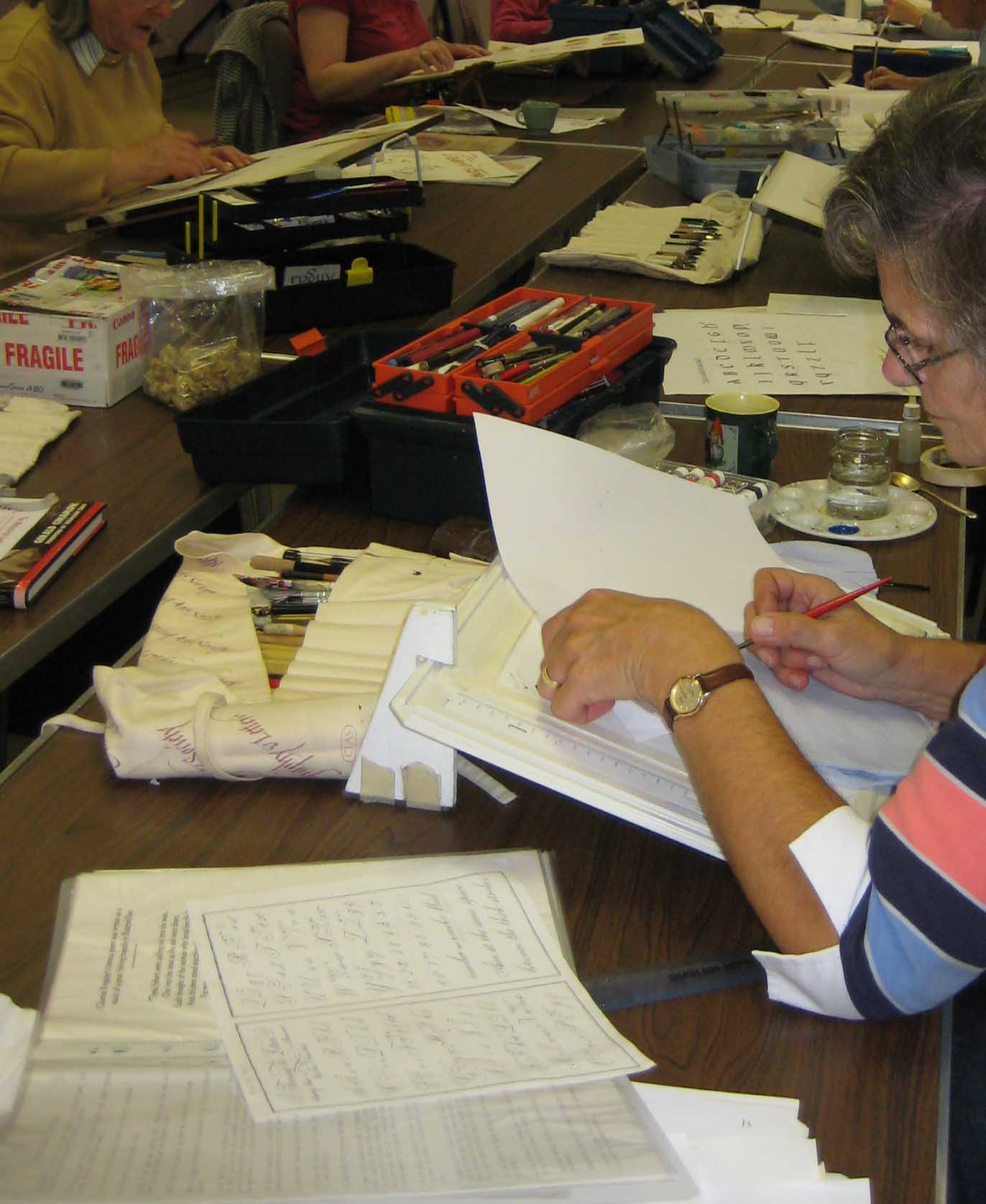
The 2000 Centre, St Johns Rd, HEDGE END, Southampton, SO30 4AF Wednesdays 1.15pm – 3.15, Whilst this is an established class of experienced students, many of whom are members of Hampshire Calligraphers, beginners are welcome if there is space, this class fills up quickly. All the longer-termers are very friendly!
Alternatively look at the programme of courses at:
Ardington School of Crafts which is a small independent school running a broad selection of mainly day workshops, in a beautiful setting, plus Zoom workshops which were so successful when Covid struck and have been continued.
I also teach workshops for calligraphy groups across the country, and you usually have to be a member to take part – search for your nearest group or check the Calligraphy & Lettering Arts Society website for groups or tutors in your area. If you live in Hampshire, visit the Hampshire Calligraphers website www.hampshirecalligraphers.co.uk for details of local activities and tutors.
What’s on offer for Calligraphy Groups.
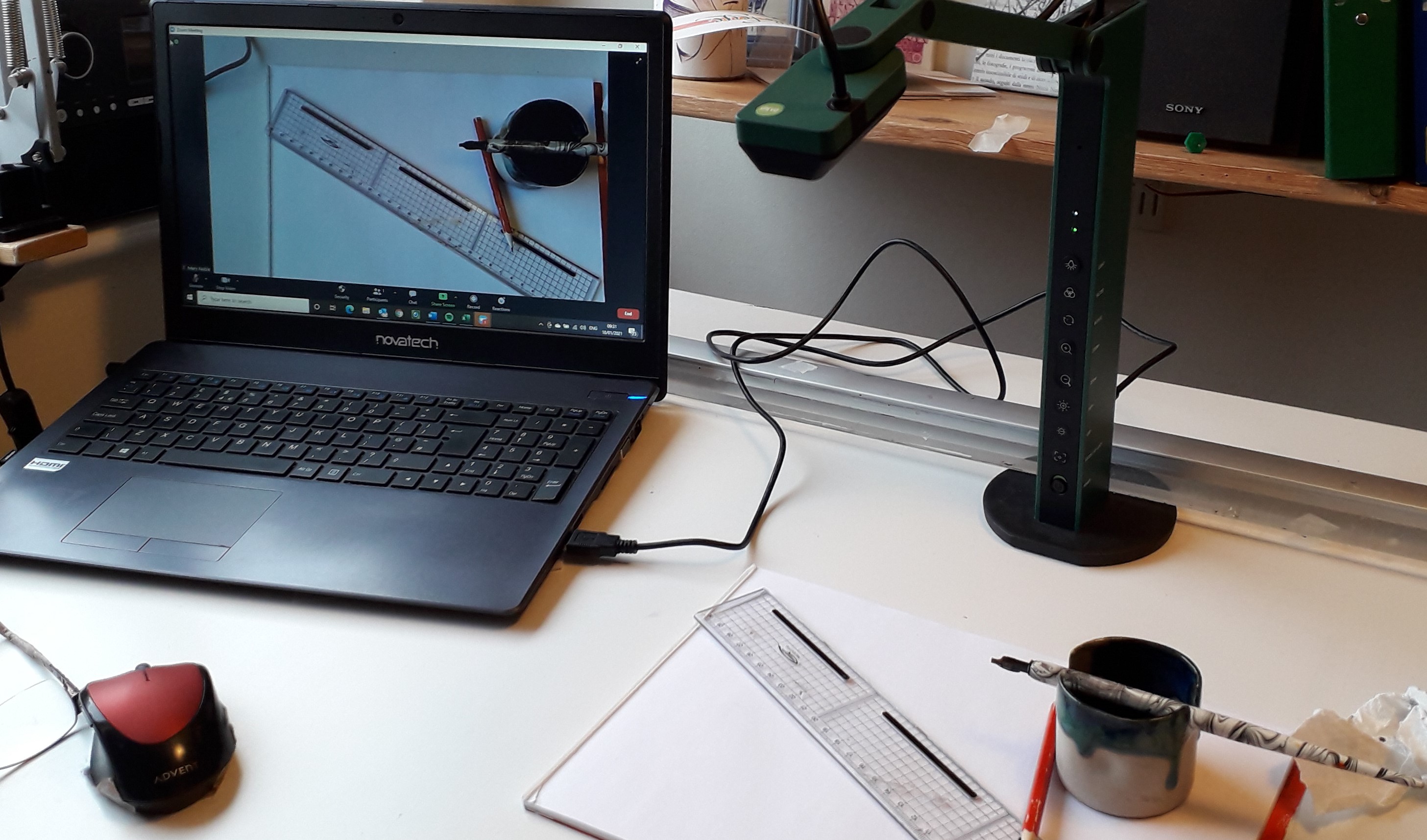
See Ardington academy and CLAS for online workshops. I also offer workshops by zoom for groups where Covid conditions or distance make a physical class difficult.
The following topics are currently on offer for full day, weekend or longer workshops but I can devise others to suit groups’ needs and experience, get in touch and discuss your group’s needs.
- Back to Basics; Examine the ancestors of a particular script, get the underlying forms, then develop a version for today’s usage. Script could be Formal Italic, Roman Capitals, Foundational hand, modern Uncial , flat pen Uncial, Gothic, Rotunda, Batarde, Rustic, Carolingian.
- Flourishing Italic; suitable for those comfortable with formal Italic and ready to expand and develop confident flourishes; step by step techniques to gain confidence.
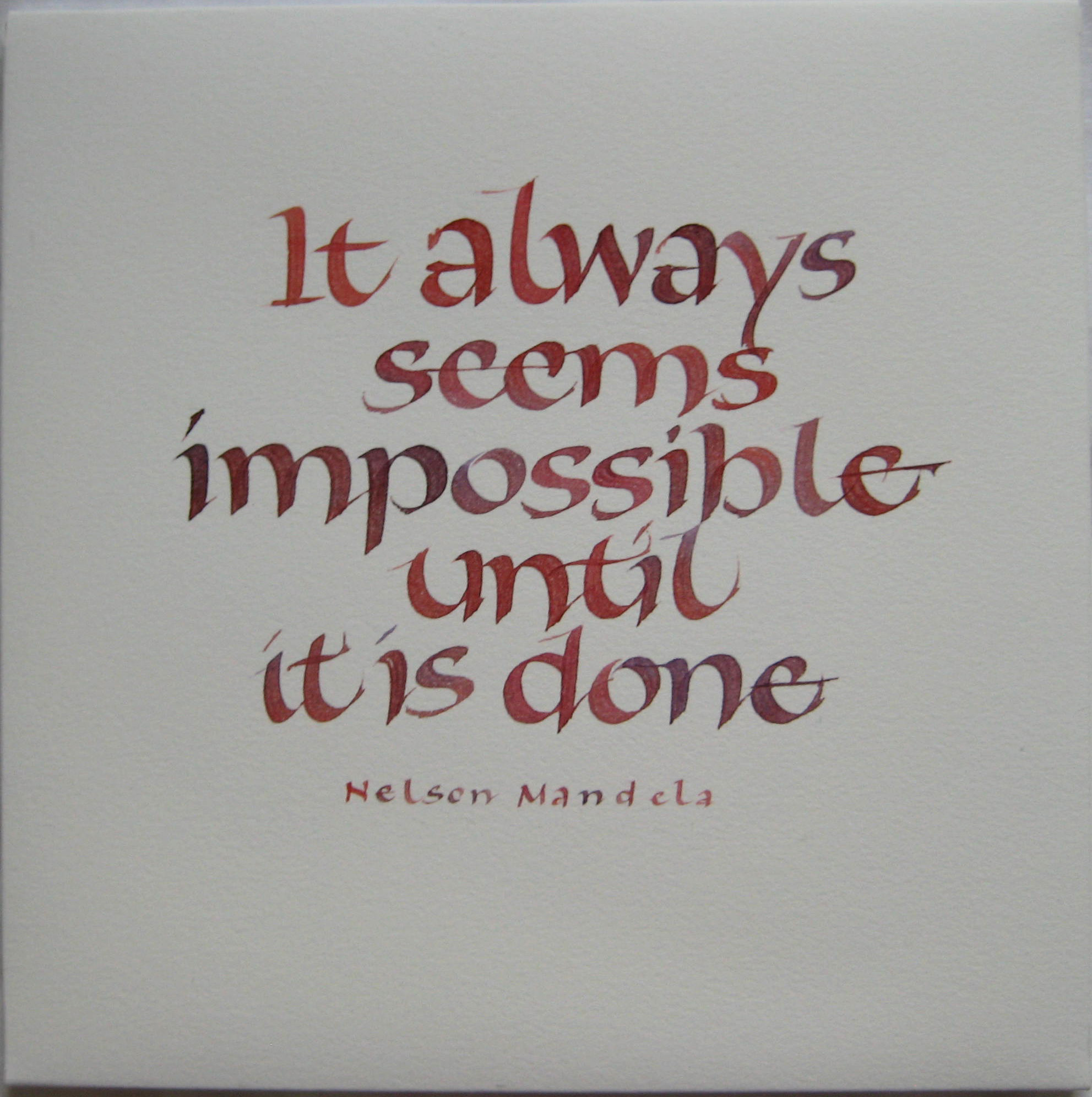
- Italic variations: branching out from the formal Italic, changing weight, slope, speed, making it dancing, lively, informal. Suit groups who are new to variations
- Bouncy Foundational. Some people find Foundational a little dull because of its formal qualities; this workshop shows that it has a lot of potential for liveliness just waiting to get out!
- 21st Century Capitals –so many variations. Roman Capitals have spawned so many wonderful contemporary variations, some monoline, some built-up, some ‘normal’ edged pen – all exciting to explore. also Capital Offences; bolder explorations of Roman capitals with various tools and rule-breakages.
- From Formal to Free: suitable for those who are confident in their letterforms, either capitals or italic, this workshop would be a series of exercises to liven the lettering to lively dancing, expressive writing and varying the pens.
- Riotous Rustics: exploring the Rustic hand then going mad with the weird steep pen angle and playing with stranger options.
- Uncials Unleashed: starting with the 8th century forms then exploring modern versions including the more complex ones with manipulation, and livelier, bouncy kinds.
- Teeny Weenie Writing: techniques to maintain sharp well-formed lettering in very small sizes down to one millimetre, say for writing credits, or for those with a lot to write but no wall space!
- Introduction to the brush –pointed and broad-edged That sounds a lot to fit into one workshop and it really is only an introduction but I find people seem to gravitate to one or the other so it’s worth trying both!
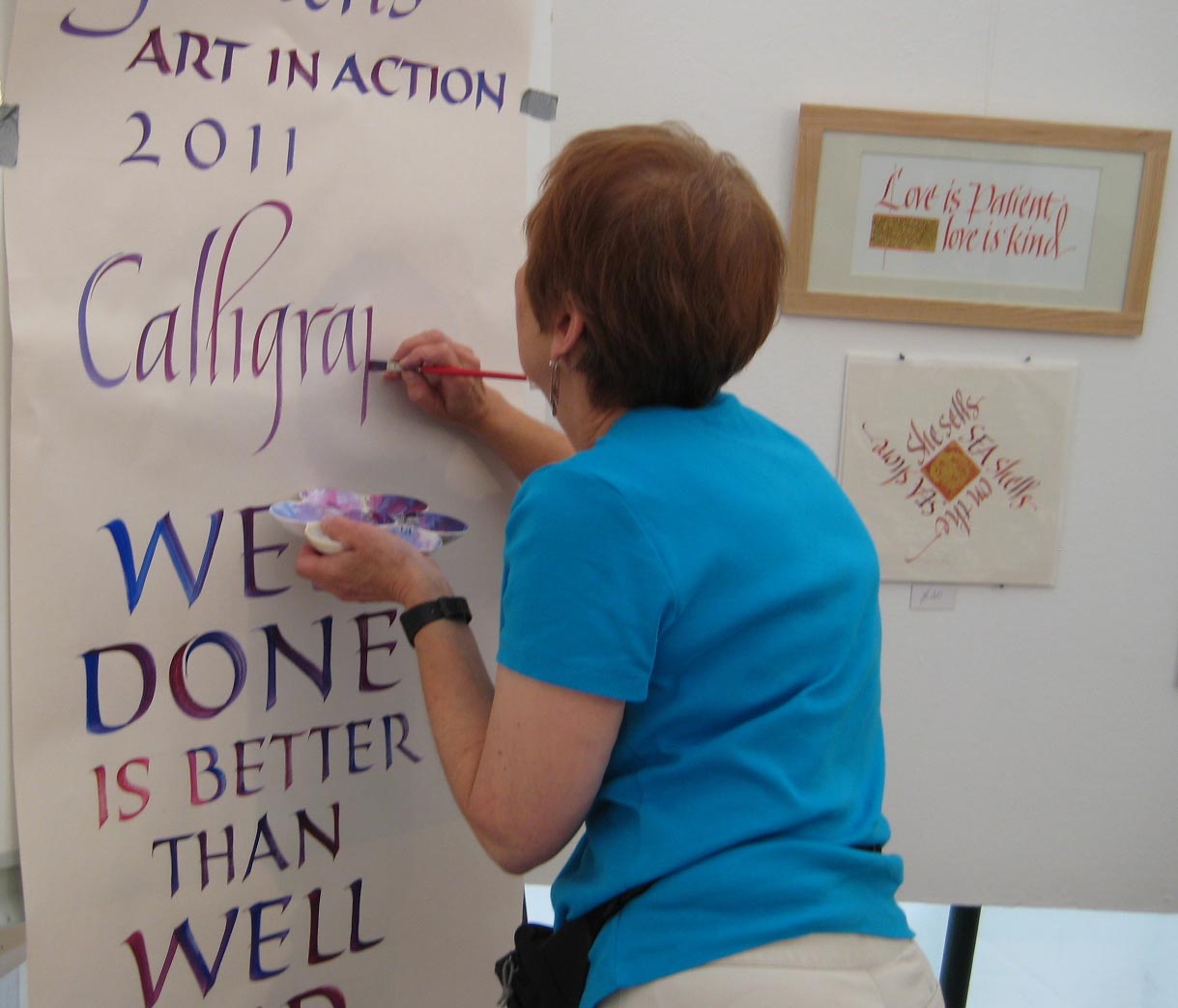
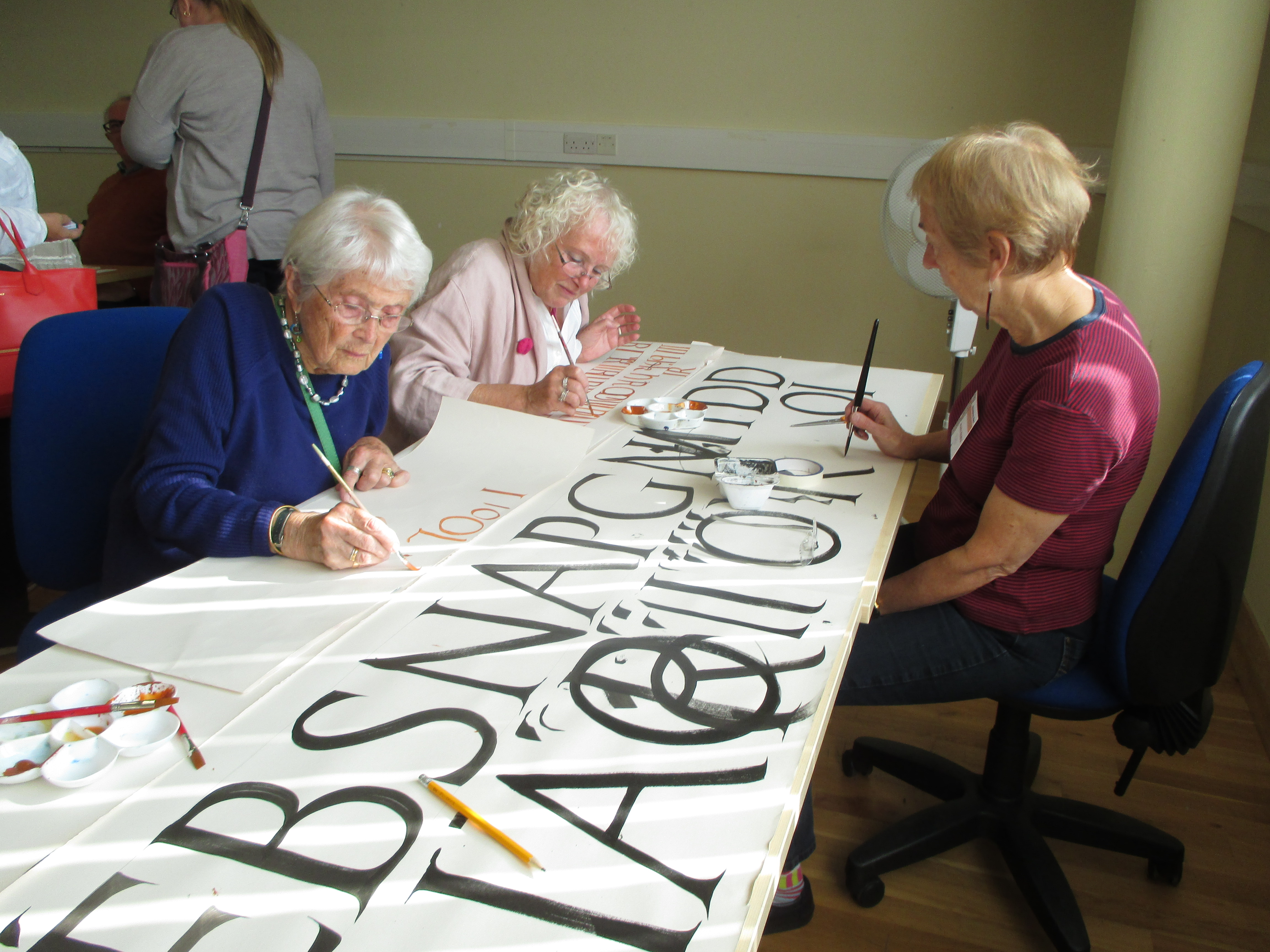
- Brush Writing for pen Pushers: an introduction to the broad edged brush for students who already have experience of the edged pen. This could focus on classical Roman Capitals, or on more contemporary Italic lettering. Other variants for this subject would be writing with the brush on T shirts, or making banners, or focusing on a particular script, as the brush is very versatile.
- Pointed Brush Techniques; Using the pointed brush in contemporary lettering styles based on Italic. Suitable for those familiar with italic who are wanting to loosen up their writing and broaden their repertoire of tools and resultant scripts.
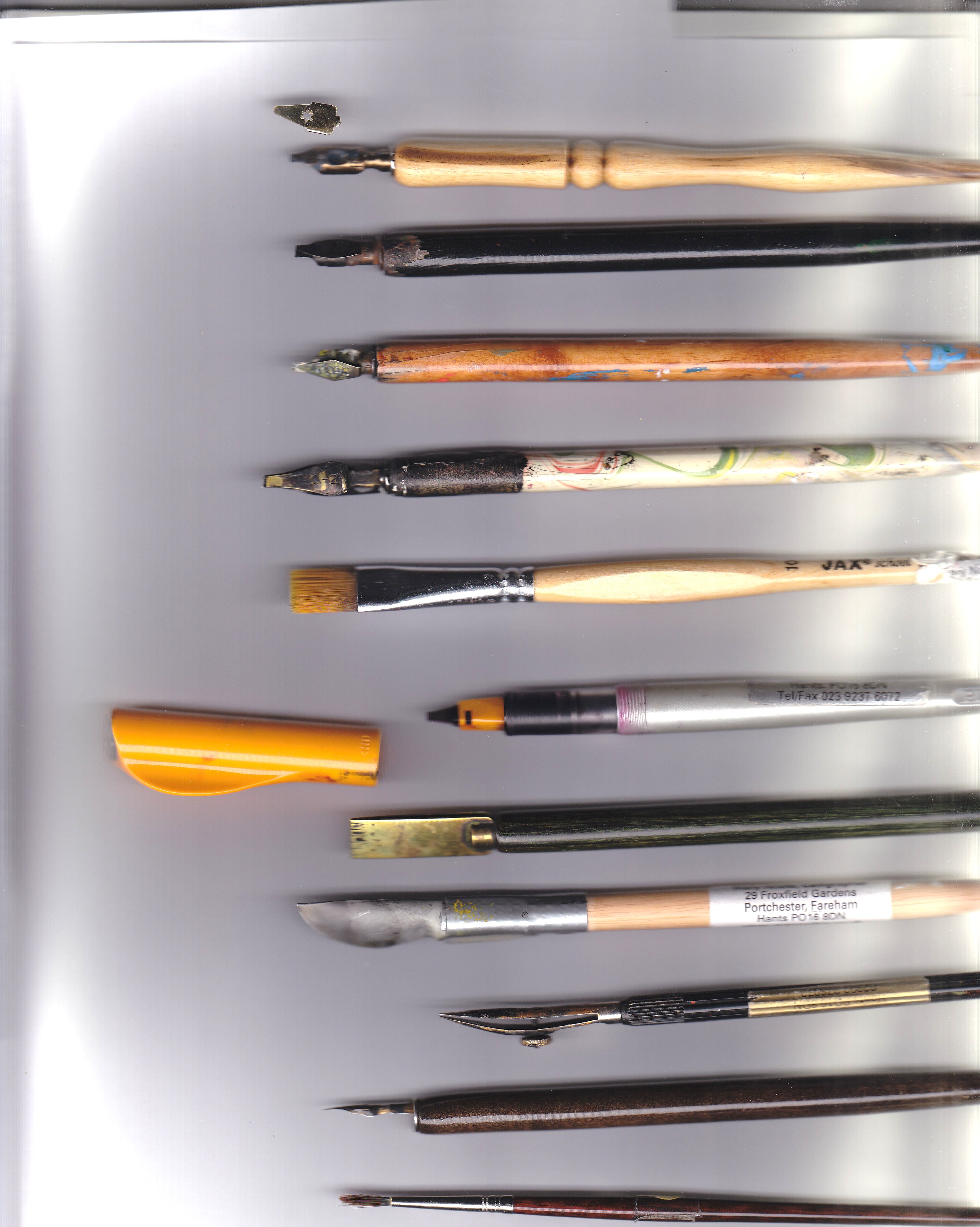
- Exploring Tools: letterforms are affected by the tool used for writing. Many students stick to their first kind of pen but would benefit from broadening their experience and trying Speedball, Brause, ‘blobby’ pens, ruling pens, ‘cola’ pens, automatic pens, balsa wood, brushes etc
- Black and White. Exploring the impact of writing black on white and white on black, and combining the two for impact.
- Contrast and emphasis: exploring the text for suitable focus, combining contrasting weights and sizes, exploring variations in scripts for impact, and trying out layouts.
- Layout & Design: 3 ways round (at least!) When you’ve mastered a script the next issue is to make it sit well on the page. This workshop takes us through from standard layouts to becoming a bit more adventurous, and always remembering that we need that ‘active space’ to make it work!
- Bringing out your Inner Graphic Designer: Using contrast of scripts, sizes or weights, counterbalancing and other techniques, from poetry to posters to parking signs, this workshop deals with understanding how to arrange it so people notice it.
- Writing on Gold: simple techniques for using real and imitation golds and other metals as a base for writing, creating sparkling areas of focus in a design.
- Playing with Pen Patterns: for borders, bookmarks, or just for fun – gets elaborate and obsessive as we explore flowers, hearts, snowflake-type patterns etc.